What Is a Living Museum?
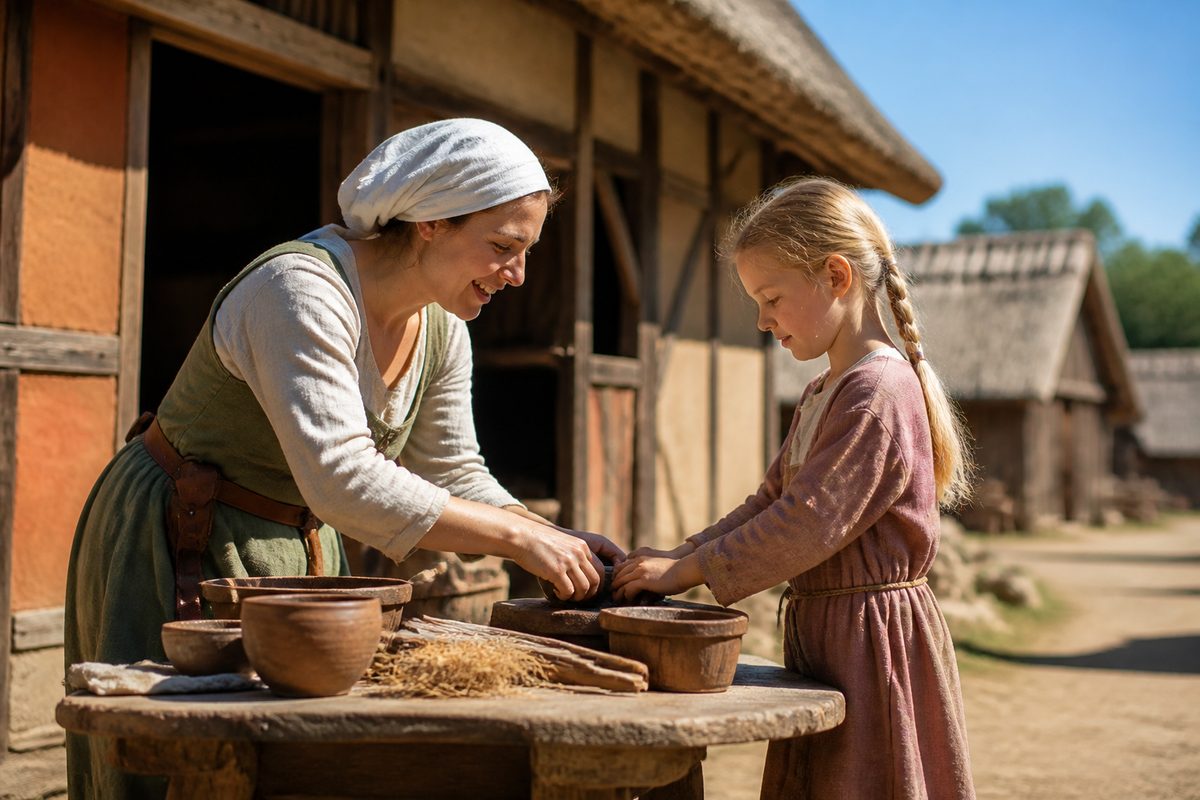
A living museum is a heritage site where a past time and place is recreated through buildings, objects, landscapes and people who demonstrate how life and work were once carried out. Instead of looking at artefacts behind glass, visitors walk through a setting that has been rebuilt or preserved to resemble a particular era. They meet staff who cook, farm, forge, sew or trade the way people did back then. The idea is simple. Doing it well is hard, and the best sites are far more careful about evidence than a first glance suggests.
This guide explains what sets living museums apart, how they're put together, where the major examples sit, and how to get the most from a visit. For arts and culture coverage across the region, Sunraysia Arts Guide is an independent editorial resource.
The Core Idea in Plain Terms
Most museums collect objects and arrange them so visitors can study them. A living museum collects a world. The thing on display isn't a single painting or tool. It's a whole street, farm, village or camp, with the people and processes that kept it running.
The objects are still there. But they're used, not just shown.
That changes the visitor's role. You aren't standing outside the past, looking in. You're walking through it, asking questions, smelling woodsmoke, hearing hammers and watching bread bake. The format rests on a belief: people understand history better when they can see how things worked and how they felt to use.
Where the Term Comes From
The phrase is used loosely, and different countries lean on different labels. In North America and Britain, the broader category is often called an open-air museum, because the collection sits outdoors across a landscape rather than inside a gallery. Some open-air museums move old buildings from elsewhere onto one site.
Others rebuild structures from archaeological and written evidence. Some simply interpret buildings where they originally stood.
Costumed staff who bring those buildings to life are usually called living history. A site can be an open-air museum without much living history, and a living history program can run inside an ordinary building. When people say "living museum," they usually mean both together: an outdoor, place-based collection plus people who make it come alive.
What You Will Typically Find on Site
Each site is different, but most share a familiar set of parts:
- Built environment: original, relocated or reconstructed buildings arranged to suggest a real settlement.
- Working craft and trade: blacksmiths, potters, printers, bakers, carpenters, weavers and others who show skills using period methods.
- Interpreters: staff who speak about the setting, either as characters in the past or as modern guides who explain it.
- Landscape and livestock: gardens, fields, orchards and heritage animal breeds that tie the site to its farming or industrial economy.
- Programs and events: school visits, seasonal activities, workshops and special days.
Not every item turns up everywhere. A small farm museum may lean on gardens and livestock. A large town recreation may have dozens of trades and a full cast of interpreters.
How Interpretation Works
The biggest difference between living museums is how interpreters talk to visitors. There are two broad approaches, and many sites use both.
First-person interpretation
In first-person interpretation, staff speak as though they're a person from the period. They stay in character, use period words and answer questions the way their character would. It can be immersive and memorable.
But it takes deep research and quick thinking. It can also leave visitors unsure what's fact and what's performance.
Third-person interpretation
In third-person interpretation, staff wear period clothing or work with period tools but speak as modern people. They explain what they're doing and why. They can easily step outside the setting to talk about evidence, change over time or uncomfortable parts of the story.
It's often the better choice for complex topics, since a modern voice can admit gaps and debates.
Neither approach is automatically better. What matters is that the site is honest about which one it's using, and that the interpretation rests on sources, not guesswork.
Living History Is Not the Same as Historical Reenactment
People often mix the two up, and they do overlap. Their purposes differ, though. Historical reenactment is usually a hobby or community pursuit. Participants recreate events, such as battles, or daily life, often for their own enjoyment and for audiences at organised gatherings.
Reenactors typically pay for their own kit and prize authenticity. Some groups hold themselves to very high standards.
Living history in a museum is an educational activity run by an institution. Staff are employed or trained within a program, work to a research-backed brief and answer to the museum's mission. Some museums team up with reenactment groups, and individual interpreters may come from that world.
But the framework is different. A museum is responsible for public education, collections care and long-term interpretation, not just spectacle.
The Research Underneath the Costume
It would be easy to treat a living museum as theatre in period dress. The serious ones run on research. Curators and historians study inventories, wills, diaries, account books, maps, photographs, spoken histories and surviving objects. They use these to decide what a building should hold and what a person in a given role would have done.
This work leans heavily on material culture studies, which look at physical objects, buildings and everyday things as evidence of how people lived. A plain iron pot, a patched garment or a worn doorstep can reveal diet, income, skill and habit in ways documents sometimes can't. Interpreters use this evidence to decide not only what to display but how it was handled.
Some sites also use experimental archaeology. This tests ideas about the past by recreating tools, structures or processes and seeing if they work the way the evidence suggests. Rebuild a roof with period timber and techniques, or fire a kiln the way an old pottery might have, and the results can confirm or challenge what people assumed.
The findings feed back into how the site is interpreted. So a living museum can create knowledge as well as share it.
Living Plants and Animals as Collections
Many living museums have one feature that sets them apart: the collection includes living things. Gardens and fields are planted with varieties that match the period. Flocks and herds may be heritage breeds that are rare today.
An heirloom plant is a variety passed down and kept going across generations, often open-pollinated and valued for its history as much as its yield. Growing them protects genetic variety. It also lets visitors see, taste and smell crops that modern supermarkets rarely stock.
This is real preservation work. A living museum can act as a keeper of seeds, breeds and growing methods that might otherwise vanish, linking the site to wider efforts to protect farming heritage.
Why These Places Matter for Learning
Living museums are closely tied to museum education, the field that looks at how people learn in and from museums. Schools visit them often because the format supports experiential learning, where understanding grows from direct experience and reflection, not from reading or listening alone. A student who has kneaded dough, carried water or tried a hand loom is more likely to grasp the effort behind everyday life in the past.
The benefits go beyond a memorable day out:
- Multi-sensory engagement: sights, sounds, smells and touch support different learning styles.
- Context: objects appear in use, so their purpose and meaning are clearer.
- Conversation: interpreters can answer questions, adapt to age groups and respond to curiosity.
- Empathy: stepping into a setting helps visitors imagine other lives without excusing or romanticising them.
There's a catch. Hands-on experience isn't the same as understanding. A pleasant activity can leave a sanitised impression if it skips hardship, inequality or conflict. Good programs mix participation with critical thinking.
Preserving Cultural Heritage Through Practice
Living museums protect cultural heritage in two ways. They conserve tangible heritage, such as buildings, tools and landscapes. And they keep intangible heritage alive, such as skills, songs, recipes, work routines and spoken knowledge.
A craft that's practised is more likely to survive than one that's only photographed. When a blacksmith trains an apprentice or a baker uses a historic oven, the knowledge keeps being passed on.
This is also where the format raises hard questions. Whose heritage is being told? Who's missing from the story? Many sites have widened their narratives in recent decades to include Indigenous peoples, women, workers, migrants and enslaved or marginalised communities whose experiences were once overlooked. Doing this well means talking to the communities involved and giving them a say in how their stories are shown.
Well-Known Examples Around the World
A few established sites show how varied the category is. The descriptions below are general. Check each site's own information for current programs and details before you visit.
- Sovereign Hill in Ballarat, Victoria, is an Australian outdoor museum that interprets the gold-rush era of the 1850s with a recreated township, working trades and costumed staff.
- Colonial Williamsburg in Virginia, United States, is a large restored and reconstructed colonial-era town and one of the best-known living history destinations.
- Plimoth Patuxet in Massachusetts, United States, interprets the 17th-century English settlement and the Indigenous Wampanoag perspective, and is notable for presenting both sides of the story.
- Old Sturbridge Village, also in Massachusetts, portrays rural New England life in the early 19th century through relocated buildings and demonstrations.
- Beamish Museum in County Durham, England, is an open-air museum that recreates aspects of life in North East England across several periods.
- Living History Farms in Iowa, United States, focuses on the story of farming and rural life, with farms and a town interpreting different eras.
Each takes a different approach to scale, time period and interpretation. Comparing them is a handy way to see how flexible the living museum idea really is.
How a Living Museum Differs From an Ordinary Museum
The differences are practical as well as philosophical:
- Objects in use versus objects at rest. Conventional museums protect fragile originals from handling. Living museums often use replicas or working copies for demonstration and keep rare originals for display or storage.
- People as part of the collection. Interpreters, craftspeople and animal keepers are central, so staffing and training are major costs and priorities.
- Weather and seasons. Outdoor sites are shaped by climate, and the experience changes across the year.
- Scale and land. Many occupy substantial acreage, which brings land management, maintenance and access challenges.
- A constructed whole. Even when buildings are original, the arrangement is usually curated. Visitors should remember that a site is an interpretation, not a time machine.
None of this makes living museums better or worse than traditional ones. They answer different questions. Many visitors get the most out of using both.
Common Criticisms and How Good Sites Respond
Living museums face fair questions, and thoughtful ones tackle them openly.
- Authenticity. A reconstruction can never be the past itself. Responsible sites explain what's original, what's rebuilt and what's inferred.
- Nostalgia. A tidy, pretty village can hide poverty, disease and injustice. Strong programs include hard stories and avoid a golden-age tone.
- Entertainment versus education. Crowd-pleasing performance can drift from the evidence. Training, review and research keep interpretation on track.
- Representation. Choices about which stories to tell, and who tells them, shape what visitors take away. Working with descendant and community groups helps.
- Sustainability. Labour-heavy operations are expensive to keep going, so sites need sound plans for funding, staffing and conservation.
Making the Most of a Visit
A few habits help you get more from any living museum:
- Check the program first. Demonstrations and talks often run at set times, so a quick look ahead means you won't miss the best parts.
- Ask questions. Interpreters generally welcome curiosity. Try asking how they know something or what's original on site.
- Notice the evidence. Look at tools, wear patterns, plants and building materials, not just the performance.
- Ask what is interpretation. A good site will tell you where the evidence is strong and where it's a best guess.
- Take your time. The detail is in the slow moments: the cooking, the repair, the back-and-forth of a conversation.
- Dress for the outdoors. Comfortable shoes and weather-appropriate clothing make a long day easier.
Children often enjoy the hands-on parts most. Adults may appreciate the research and craft knowledge behind them. Either way, the format rewards getting involved over passive viewing.
Could the Idea Work Closer to Home?
Living museums don't have to be large to be meaningful. Smaller versions exist wherever communities want to keep skills, stories and places active, such as heritage farms, demonstration workshops, restored homesteads and seasonal heritage days.
What they share is a commitment to evidence, to the people who made and used the objects, and to letting visitors take part thoughtfully rather than just watch.
If you are exploring heritage and culture in regional Victoria, Sunraysia Arts Guide offers independent editorial coverage that can help you find places and ideas worth a visit.
Bringing It Together
A living museum is best understood as a method as much as a place. It presents the past through setting, practice and conversation. It borrows from open-air museum design, living history interpretation, material culture research and sometimes experimental archaeology, and it uses them to support museum education and experiential learning.
At its best, it protects cultural heritage by keeping skills, plants, animals and stories in active use, while being honest about its limits. Whether you visit Sovereign Hill, wander a village in Massachusetts or explore a farm in Iowa, the same questions apply. What's the evidence? Whose story is being told? And what can this place teach that a gallery label can't?