Where to Stop Between Mildura and Adelaide?
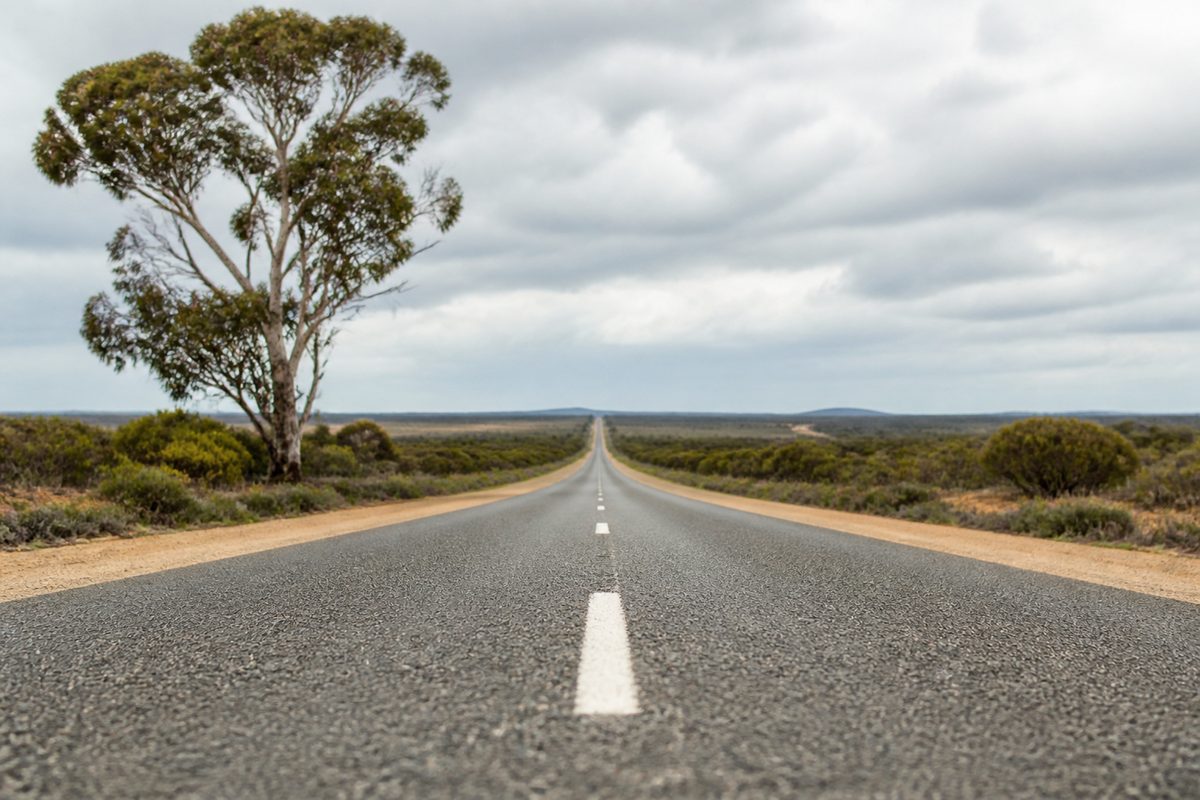
The best places to stop between Mildura and Adelaide are the Riverland towns of Renmark, Berri and Waikerie for the first half of the drive, then Truro or the Barossa Valley for a longer break before the final run into the city. That sequence breaks the trip into easy legs. You get a mix of river, wetland and food stops, and you stay off the road when you're most likely to be tired.
How many you use depends on your day. Rushing to an appointment? Pick one or two. Treating the drive as part of the holiday? Use them all.
This guide, from Sunraysia Arts Guide, is about the road itself rather than Mildura or Adelaide. It lists the stops in the order you'll meet them, what each is good for, and how to decide which ones are worth your time.
How the Drive Is Structured
Most people take the Sturt Highway. It leaves the Mildura district, crosses into South Australia and follows the general line of the Murray River through the Riverland. Then it turns south-west toward the Barossa and Adelaide.
The trip is usually described as a long day drive of several hours without stops, so you can do it in one go. The catch? The road is quiet and flat for long stretches. That's exactly when your focus drifts.
It helps to think of the trip as three legs:
- The Riverland leg: the first stretch after the border, with several towns close together.
- The open middle: a quieter section where the land dries out and services are further apart.
- The approach leg: the wine country and hills country before the city.
A good rule of thumb is to stop once in each leg, even briefly. Check current travel times and road conditions before you leave rather than trusting a fixed figure. Roadworks, weather and holiday traffic all change them.
Before You Cross the Border
Two practical points come first. South Australia runs on a different clock from Victoria. Check the time difference for your travel date so opening hours, bookings and check-in times make sense.
Second, South Australia has fruit fly controls. Fresh fruit and some vegetables may need to be left behind or dumped at the border. You're leaving a big fruit-growing region, so it's easy to forget a bag of produce in the car. Look for the signs and amnesty bins instead of risking a fine.
Fill the tank and top up water in Mildura or the first Riverland town. Fuel and food are easy to find early on. It's better to start the quiet section with a full tank than to hope for a handy station.
Renmark: The First Easy Stop
Renmark, South Australia is the first major town you reach. That makes it the natural spot for a coffee, a stretch and a look at the river. You can walk along the water within minutes of parking, and the town centre has the cafés, bakeries and supermarkets you'd expect in a regional centre.
Renmark suits anyone who wants a short, easy break. Leaving Mildura mid-morning? It works as a brunch stop. Taking a slow, scenic trip? It also makes a good base for a night, giving you a relaxed start the next day.
Berri: Fuel, Food and a River Crossing
Berri, South Australia sits a short drive past Renmark and is one of the larger service towns on the route. It's handy for the basics: fuel, groceries, public toilets and a fair choice of places to eat. If you skipped Renmark, Berri is the better place to restock.
It's also a good point to decide on a detour. From here the road network opens up toward the lakes and the smaller river communities. You can press on along the highway or spend an hour on a scenic loop.
Loxton: A Quieter Detour
Loxton, South Australia lies off the main highway and takes a little extra time to reach. That's the point. It's for travellers who like a calmer pace and a smaller town feel than the busier highway stops. Expect a river setting, local produce and a more relaxed mood.
Treat Loxton as an optional detour, not a must-do. Watching the clock? Skip it. Got a spare couple of hours and a soft spot for small-town main streets? It's a nice change from roadside services.
Lake Bonney Riverland: Water, Shade and a Picnic
Lake Bonney Riverland is a good pick when you want out of the car for longer than a coffee break. The lake has open water, room to walk and picnic areas. It suits families, dogs on leads where allowed, and anyone who wants to stretch their legs without the noise of a town centre.
It's especially worthwhile in warmer months, when a shady spot by the water takes the edge off the heat. Check local signs for swimming and water-quality advice. Conditions on inland waterways change through the year.
Banrock Station Wetland Complex: The Best Nature Stop
If you only make one deliberate detour for scenery, make it the Banrock Station Wetland Complex. It's a large wetland system close to the river, with walking tracks and plenty of birdlife. You'll see how different the land around the Murray is from the dry country on either side.
It pairs well with a long lunch, since there's a cellar door and eating option on site. Confirm current opening hours before you count on it.
This stop suits people who enjoy slow travel. Bring binoculars if you have them, wear a hat, and allow more time than you think you need. It's easy to lose an hour on the boardwalks and tracks.
Waikerie: The Last Riverland Break
Waikerie, South Australia is the final big Riverland town before the landscape opens out. It's a sensible place for fuel and a meal, and you get a view of the river at one of its broader sections. Think of it as the last comfortable reset before the quiet middle of the drive.
Travelling in one push with no detours? Waikerie is the stop that splits the trip best. It falls at roughly the point where a driver who left Mildura in the morning is ready for lunch.
The Open Middle: Keep It Simple
Past the river towns the road gets simple. Long straight sections, fewer sights. This isn't the stretch for big detours. Use rest areas, watch for tiredness and don't pull up in poor spots on the shoulder. Plan your breaks around rest areas and small towns so you're never forced into an unplanned halt.
Wildlife is a real concern here. Kangaroos and other animals are most active around dawn and dusk, so try to be off the quieter sections by late afternoon.
Truro: The Gateway to Wine Country
Truro, South Australia is a small township that marks the shift from open plains to the more settled, vine-covered country near the Barossa. It's a handy stop. A short break here lets you reset before the busier traffic of the final stretch.
Many drivers also treat Truro as the decision point. From here you can head straight for Adelaide or turn the journey into a short wine-country visit.
Barossa Valley: The Big Reward Stop
The Barossa Valley is the best choice if you want the drive to include a real highlight. It's one of Australia's best-known wine regions, with cellar doors, bakeries, delis and restaurants packed into a compact area. A half-day is enough to taste a few wines, buy picnic supplies and see some of the historic townships.
If you're the driver, tasting and driving don't mix. Share the driving, book a tour, or stay overnight so the Barossa is a pleasure and not a risk. Many people break the Mildura to Adelaide trip with a Barossa night, which turns one long drive into two comfortable days.
Angaston: A Quieter Barossa Option
Angaston, South Australia is on the eastern side of the valley and tends to feel calmer than the busiest Barossa centres. It has a charming main street, local food shops and a relaxed feel. It's a great lunch or coffee stop if you like regional towns without the crowds.
Angaston is also a smart pick with older passengers or children. Parking is easier and the town is simple to walk around.
Adelaide Hills and the Mount Lofty Ranges
Got time to spare? Consider finishing with a short scenic detour through the Adelaide Hills. They sit in the Mount Lofty Ranges, which rise east of the city and offer cooler air, orchards, villages, bushwalks and lookouts. The hills are a nice alternative to arriving straight across the plains, especially on a hot day.
This extension is best if you don't have a fixed arrival time. Winding roads and tourist traffic can slow you down, so allow extra time. Skip it if you're tired or racing the daylight.
Arriving in Adelaide City Centre
When you reach the Adelaide city centre, the grid layout makes it easy to find your way. But parking and one-way streets can be confusing after a long drive. Book accommodation with parking if you can, and check city access rules and parking costs ahead of time. If you're only passing through, aim to arrive outside the heaviest commuter periods.
Matching Stops to Your Kind of Trip
You don't need to stop everywhere. Choose a pattern that fits your reason for travelling.
If you want the fastest sensible trip
Stop once in a Riverland town such as Berri or Waikerie for fuel and food. Then stop once near Truro for a short break. That splits the drive into three roughly even parts without adding much time.
If you want a scenic day
Combine Renmark for a morning coffee, the Banrock Station Wetland Complex for a walk and lunch, and Angaston or the Barossa Valley for an afternoon visit. The driving gets spread out, and each stop has its own character.
If you are travelling with children
Aim for places with space to run: the lake at Lake Bonney Riverland, riverside parks in the Riverland towns, and playgrounds in the larger towns. Short, frequent stops usually beat one long one.
If you want to turn it into a two-day journey
Overnight in the Riverland or the Barossa. The Riverland suits people who like river views and a quiet pace. The Barossa suits those who want food, wine and a more polished dining scene.
Practical Tips for Any Stop
- Check opening hours. Regional cafés, cellar doors and visitor centres often close earlier than city venues, and some close on certain weekdays.
- Carry water. Even a short breakdown or delay gets uncomfortable in summer heat.
- Watch for roadworks. Highway upgrades can change travel times, so check current conditions before leaving.
- Plan fuel early. Don't assume a service station will be open late at night in smaller communities.
- Avoid dawn and dusk driving where possible. Animals are more active at these times.
- Share the driving. Swapping drivers at a stop works better than pushing on while tired.
Seasonal Considerations
Summer on this route is hot, and an air-conditioned stop is a real plus. Do the longest driving in the cooler part of the morning.
Autumn and spring are usually more comfortable for walking at wetlands and in the hills. Winter can bring cold mornings and fog in some low-lying areas. Whatever the season, check the weather and any road warnings before you leave.
A Simple Itinerary Template
For a relaxed single-day trip, leave Mildura in the morning and stop briefly in Renmark or Berri. Spend an hour or two at Banrock Station, refuel in Waikerie, take a short break at Truro and arrive in Adelaide by late afternoon. Want a slower trip? Swap the late arrival for a night in the Barossa, then finish the final leg the next morning, maybe via the Adelaide Hills.
Treat these as templates, not rules. Adjust them to the weather, your energy and what you want from the trip.
The Bottom Line
The drive between Mildura and Adelaide rewards a little planning. Use the Riverland towns for practical stops and river views. Add a wetland or lake if you want some fresh air. Save the Barossa Valley for a proper reward, and think about the hills if you have time on arrival.
Even if you only stop twice, picking the right places turns a long road trip into one of the better parts of travelling through this corner of South Australia.