What Is the World's Largest Arts Festival?
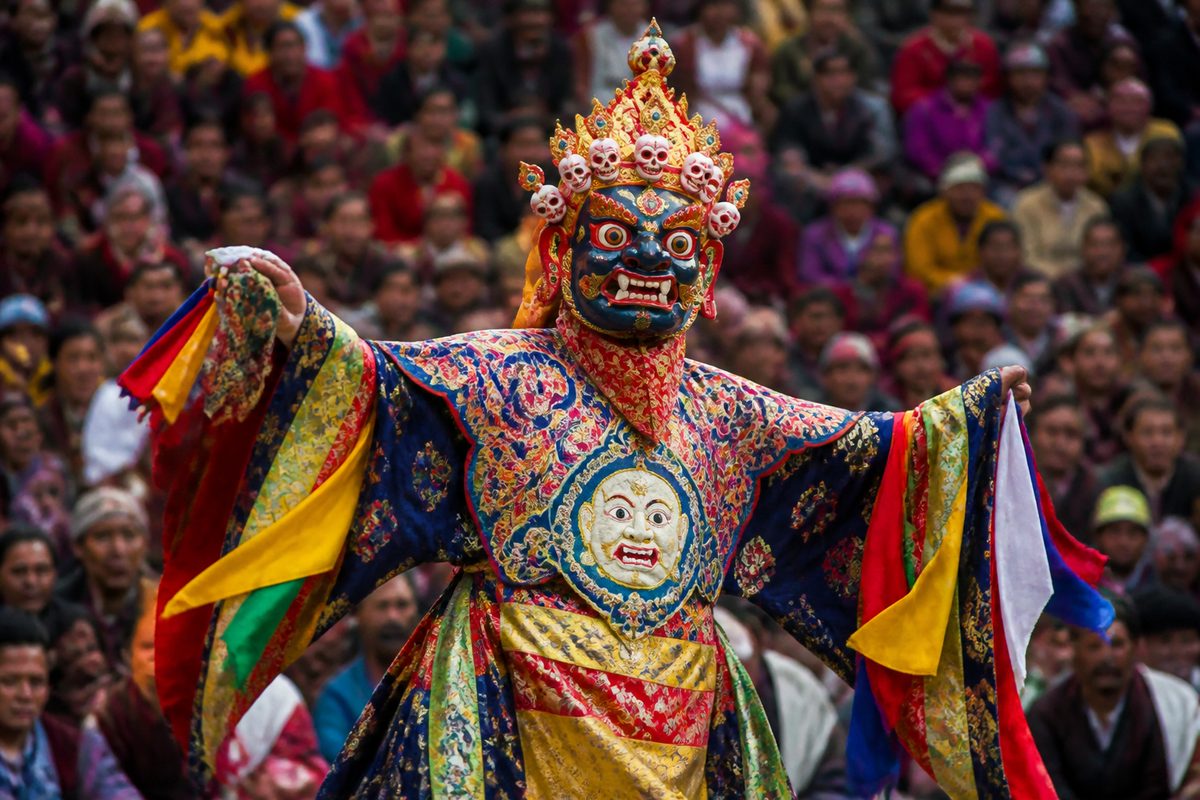
The Edinburgh Festival Fringe is widely recognised as the world's largest arts festival, taking over Scotland's capital each August with thousands of performances across hundreds of venues. That answer comes with a catch.
No global authority audits arts festivals and hands out a title. So "largest" depends on what you count: the number of shows, the tickets sold, the artists, or the art forms under one banner. On most of those measures, Edinburgh wins. But the reasons why are more interesting than the ranking.
This guide explains why Edinburgh holds the title in popular understanding and how the wider cluster of Edinburgh events fits together. It also compares the other big names, including the Adelaide Fringe and the Festival d'Avignon. If you're new to festivals in general, our companion piece on what art festivals are covers the basics. Here the focus is on scale, and what scale really means.
Why Edinburgh Is the Usual Answer
The Edinburgh Festival Fringe began in 1947, when a handful of companies turned up uninvited to perform alongside a newly founded official festival. They weren't on the programme. So they staged their shows on the edges of it.
The word "fringe" stuck. And the idea behind it became the festival's defining feature: anyone with a performance and a venue can take part.
That open-access model is the key to its size. Most festivals are curated, meaning a director or committee picks what appears. The Fringe isn't. No jury decides which comedians, theatre companies, dancers, musicians or street performers are good enough.
Performers find a space, register a show, pay their own way and put it in front of an audience. The barrier to entry is so low that the programme balloons far beyond what any one curator could book. It covers a huge range: stand-up, cabaret, circus, dance, musicals, children's shows, music and experimental work.
The programme is so large that no one person can see more than a sliver of it. People often describe it that way: not a single event but a month-long city takeover. Streets, pubs, churches, university halls and converted basements all become stages.
What "Largest" Can Actually Mean
Before comparing festivals, it helps to separate the different ways a festival can claim to be biggest.
- Number of shows or events. Open-access festivals dominate here, because nobody limits the programme.
- Ticket sales or attendance. Big free outdoor events and parades can draw larger crowds than any ticketed theatre festival. But a crowd at a street party isn't the same as an audience for the arts.
- Number of performers. Counting artists is hard, because casts, crews and visiting companies are recorded differently from festival to festival.
- Breadth of art forms. A multi-arts festival spanning theatre, music, visual art, comedy and books can claim a different kind of scale to a single-discipline event.
- Duration and geographic spread. A festival running for weeks across a whole city has a bigger footprint than a one-weekend gathering in a park.
Each organiser reports figures differently, and they change every year. So check any exact number you see against the festival's own latest release.
What stays consistent is the ranking logic. Judged by the sheer volume of different performances, the Edinburgh Festival Fringe is in a category of its own.
Edinburgh Is Really Several Festivals
Part of the reason Edinburgh feels so huge is that the Fringe doesn't stand alone. August in the city is shared by a family of separate festivals, each with its own organisers, audience and character. Many visitors lump them together as "the Festival", but they're distinct.
Edinburgh International Festival
The Edinburgh International Festival was founded in the same year as the Fringe, 1947, as a postwar celebration of culture. Where the Fringe is open, this one is curated. Its director invites leading orchestras, opera companies, theatre directors, dance companies and soloists from around the world.
It's the formal, programmed counterpart to the Fringe. The two grew up together as an official-and-unofficial pair.
Edinburgh Art Festival
The Edinburgh Art Festival is the city's visual arts festival. It brings together exhibitions at major galleries, smaller artist-run spaces and public sites across the capital. That gives the summer a strong visual side alongside the performing arts.
If you think the August festivals are only theatre and comedy, this is a reminder. Painting, sculpture, installation and contemporary art are part of the picture too.
Edinburgh International Book Festival
The Edinburgh International Book Festival is one of the largest events of its kind. It sits beside the performing arts programmes. Authors, poets, illustrators and thinkers appear in conversation, in readings and in discussion events.
It overlaps with the Fringe in areas such as spoken word, where poetry and storytelling sit somewhere between books and live performance.
Royal Edinburgh Military Tattoo
The Royal Edinburgh Military Tattoo is a very different kind of spectacle. Staged on the esplanade of Edinburgh Castle, it combines massed pipes and drums, military bands, display teams and international guest performers.
A military tattoo is a show put on by military bands and display units. The Edinburgh version has become a fixture of the August calendar, with the castle as its backdrop. It isn't part of the Fringe, but it adds to the feeling that the whole city has become a stage.
When people call Edinburgh the largest arts festival in the world, they often mean this combined effect. The Fringe, the International Festival, the Art Festival, the Book Festival and the Tattoo all share the same weeks, the same streets and the same visitors. Together, it's probably the biggest pile of cultural activity anywhere.
What You Actually See at the Fringe
Size alone doesn't explain the Fringe's reputation. Its character comes from the mix of performers and the way audiences hop between them. A typical day might take in an early morning children's show, a lunchtime play in a church hall, an afternoon of physical theatre in a converted warehouse, an evening stand-up set and a late-night cabaret.
Comedy is a major pillar. The Edinburgh Comedy Awards, which began as the Perrier Award, have long been among the most closely watched prizes in live comedy. A strong run in Edinburgh has launched many careers.
That matters because it gives a small, unknown act a route into wider notice. Which is exactly what the open-access model is meant to do.
The venue network is part of the story too. Established operators such as the Gilded Balloon, known for its comedy, run clusters of rooms. They give audiences a reliable starting point in an otherwise overwhelming programme. Alongside the big operators sit tiny pop-up rooms, pubs and borrowed spaces. That's why the Fringe feels both industrial and improvised at once.
Beyond comedy, the festival is known for theatre, dance, circus and physical theatre, which leans on movement more than script. There's plenty of music and spoken word too, with poets and storytellers performing in small rooms to people who may have wandered in on impulse. That mix of professional and emerging, polished and raw, is what many regulars say they value most.
How Other Major Festivals Compare
Edinburgh is the usual answer, but it isn't the only festival working on a very large scale. A few comparisons put its size in context.
Adelaide Fringe
The Adelaide Fringe is the standout in this part of the world. Held in South Australia, it follows the same open-access model as Edinburgh. It's regularly described as the largest arts festival in the Southern Hemisphere, and one of the biggest in the world overall.
Because it runs over the Australian summer, it draws big outdoor crowds. Temporary venues, garden stages and street events fill the city. For Australian readers, it's the nearest thing to the Edinburgh experience, and it shows how well the open-access idea travels.
Festival d'Avignon
The Festival d'Avignon in France is another landmark from the same era. It was founded in 1947, like Edinburgh's festivals, and is one of the most prestigious theatre festivals in Europe. Like Edinburgh, it also gave rise to a parallel open programme, widely known as the Avignon Off, which runs alongside the official selection.
Avignon is smaller than the Edinburgh Fringe. But it carries huge influence in contemporary theatre, and it shows the same pairing of curated and open programmes that defines Edinburgh.
Why the Comparison Matters
Notice the pattern. The very biggest arts festivals tend to share a structure: a curated flagship event and a looser, open-access fringe that grows around it.
The open side lets them expand without limit. The curated side brings prestige and a point of reference. Edinburgh, Adelaide and Avignon all follow versions of that model, and it explains much of how festival cities build such large and varied programmes.
Does Bigger Mean Better?
A festival's size is impressive, but it doesn't make it the best choice for every visitor. A very large open-access festival can be thrilling and exhausting in equal measure. The programme is vast, and quality is uneven by design. Finding something good takes planning, recommendations and a willingness to gamble on the unknown.
A smaller, curated festival works differently. Someone has already made the selection, so the risk of a poor evening is lower. The experience is often calmer and more focused.
Neither is better in the abstract. They suit different appetites. If you're weighing up which kind to attend, ask yourself three questions:
- Do you want discovery and surprise, or a dependable, curated programme?
- Are you interested in one art form, or in sampling many?
- Do you prefer a city-wide takeover, or a contained event you can take in over a weekend?
If your answers lean towards discovery, variety and spectacle, look at the Edinburgh Festival Fringe and its Southern Hemisphere cousin in Adelaide. If you'd rather have something quieter and more intimate, a regional arts festival may suit you far better.
Planning Around a Festival of This Scale
Tempted to visit the largest festival in the world? A few practical points apply. Accommodation fills early and prices rise during peak weeks, so book well ahead.
Because the programme is so big, pick a handful of must-see shows in advance and leave the rest of the schedule open. Venues are close together in the central areas, so walking between them is part of the fun. And wandering in to a show you know nothing about is a big part of what makes it enjoyable.
It also helps to decide what sort of experience you want before you arrive. Someone drawn to comedy will plan very differently from someone interested in the visual arts or books. The separate festivals running alongside the Fringe leave room for all of those priorities in a single trip. You could pair the Fringe with the Edinburgh Art Festival and the Edinburgh International Book Festival, then finish with an evening at the Tattoo, without ever repeating a type of event.
The Takeaway for Smaller Festivals
Edinburgh's size can make smaller festivals seem modest. But the lesson from the largest festival runs the other way. Edinburgh began with a few uninvited companies and a simple idea: art doesn't need permission to find an audience.
Regional festivals around the world draw on the same principle. They give local artists a place to show work, and give communities a reason to gather. If you're exploring the arts closer to home, resources such as Sunraysia Arts Guide can help you see what's happening in your own region, whatever its scale.
Bottom Line
The Edinburgh Festival Fringe is generally accepted as the world's largest arts festival, thanks to its open-access model, its huge number of performances and the neighbouring Edinburgh festivals that boost its reach. There's no official ranking, so the title rests on how you measure size. But on most counts Edinburgh leads, with the Adelaide Fringe as the biggest in the Southern Hemisphere and the Festival d'Avignon as a major influence on theatre.
Whichever you choose, the best festival for you is the one that matches your interests, your budget and your appetite for the unexpected.